nanotourism — Aljosa Dekleva, Tina Gregoric
2014 ︎ see on issuu ︎ pdf version available via email
This publication was published on the occasion of the 24th Biennial of Design, Ljubljana BIO 50 – 1,2,3...TEST
from 18 September to 07 December 2014, at MAO, Jakopic Gallery and Museum of Modern Art, Ljubljana.
Publisher: Musem of Architecture and Design(MAO), Matevz Celik, director
Design and Layout: Oaza and authors
Typeface: Mote (Hrvoje Zivcic, Typonine)
Printed in Ilica, Tikara Orbis, September 2014
ISBN 978-961-6669-28-3
8.75 x 11.25 cm

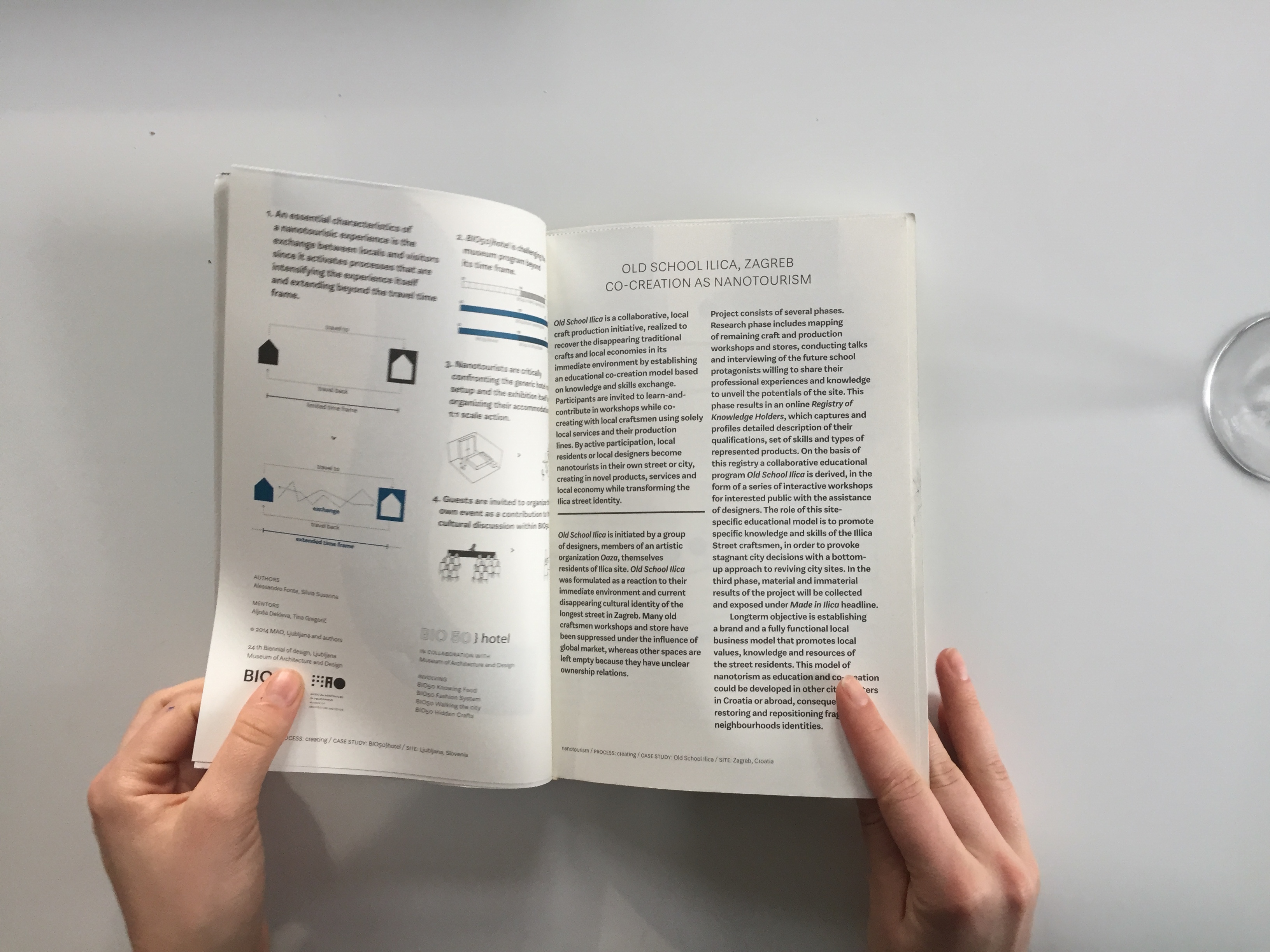


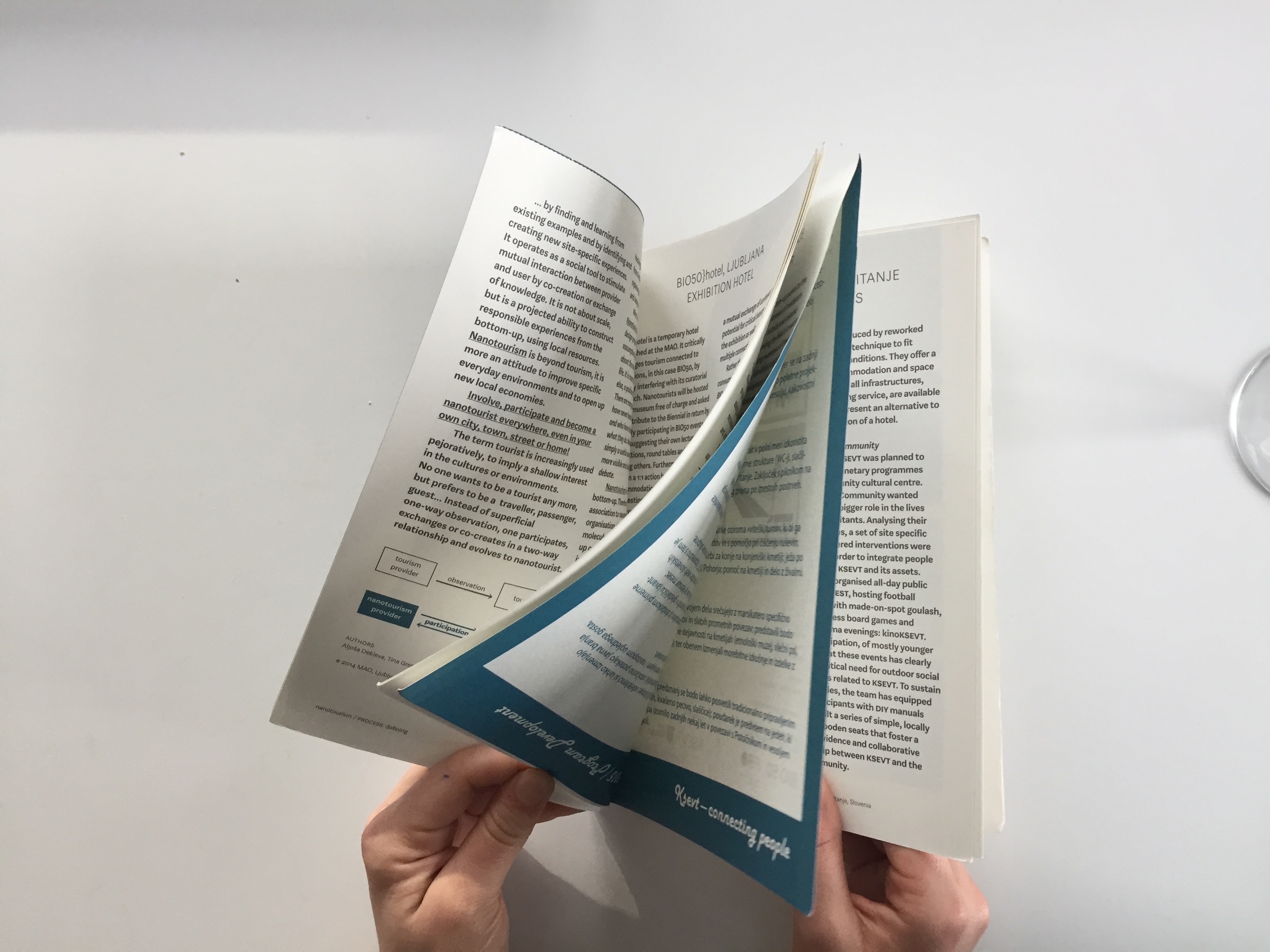


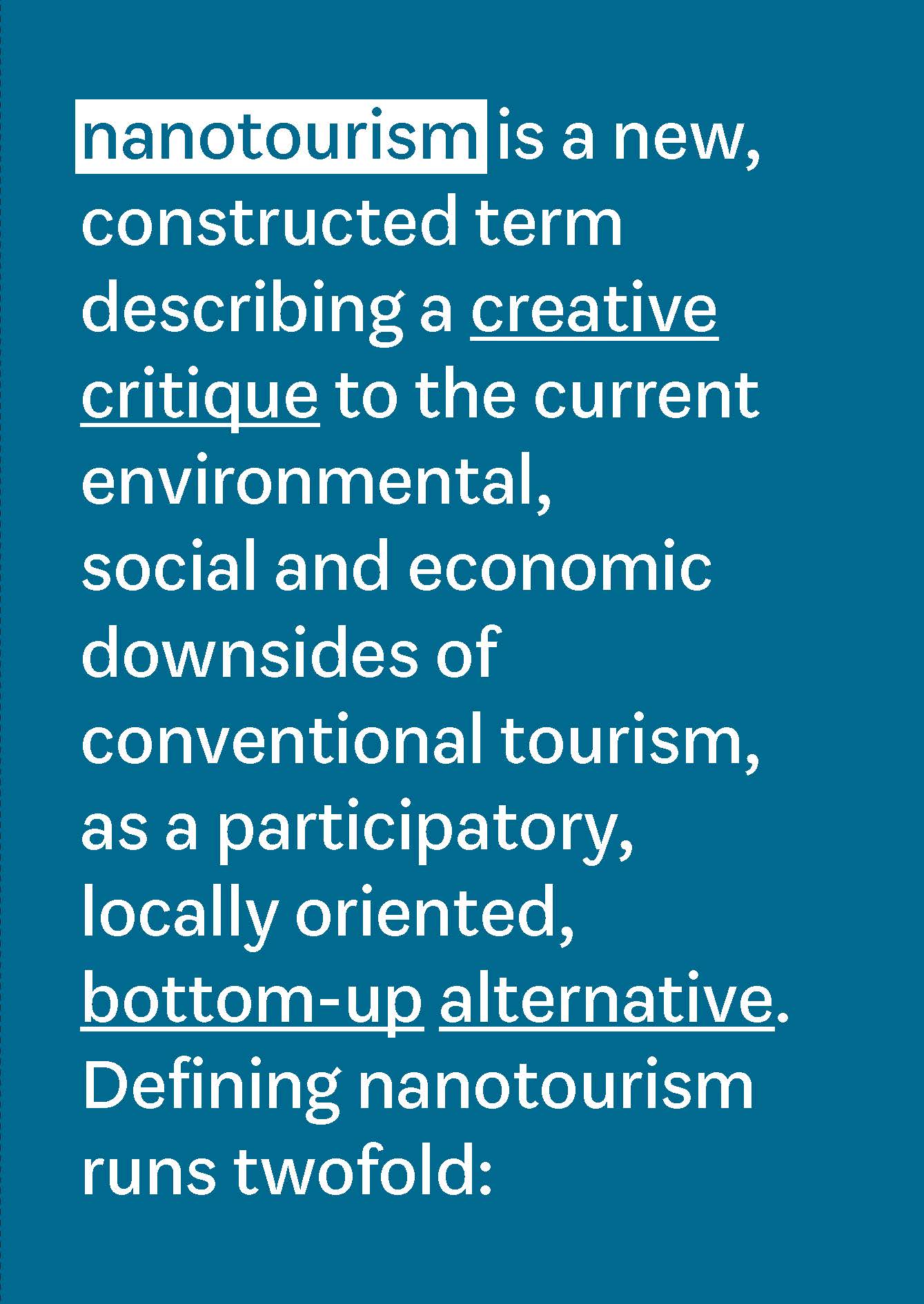
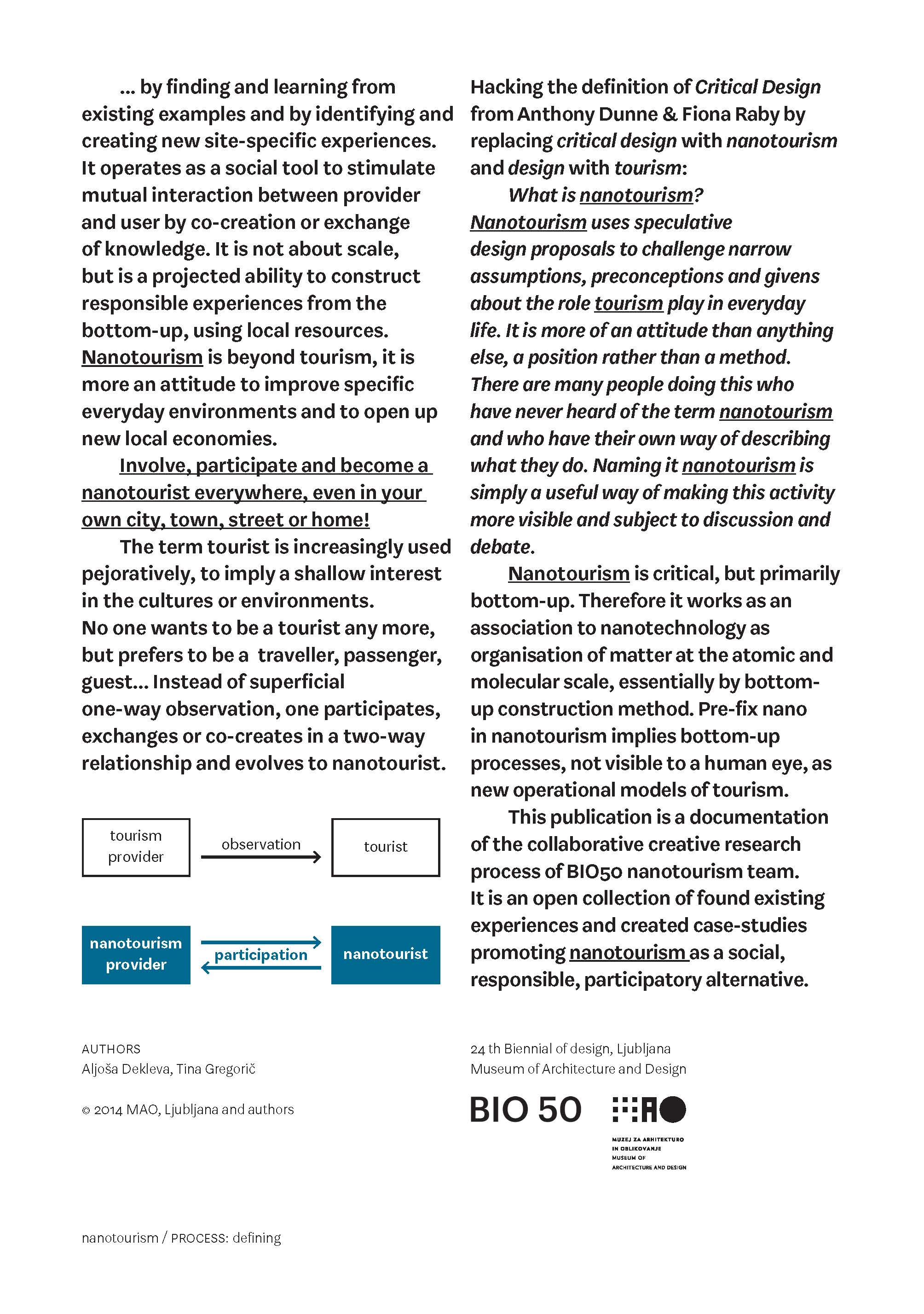






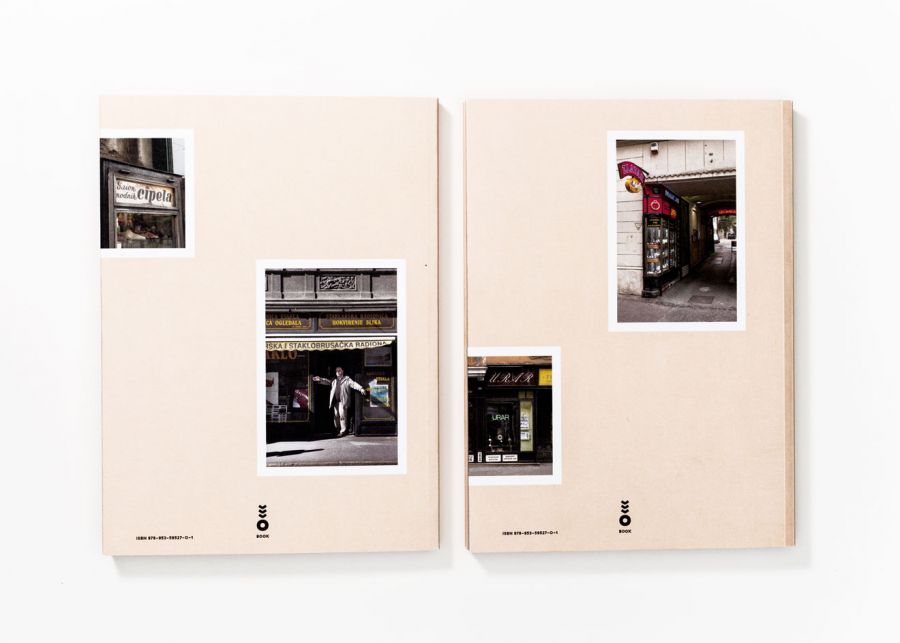
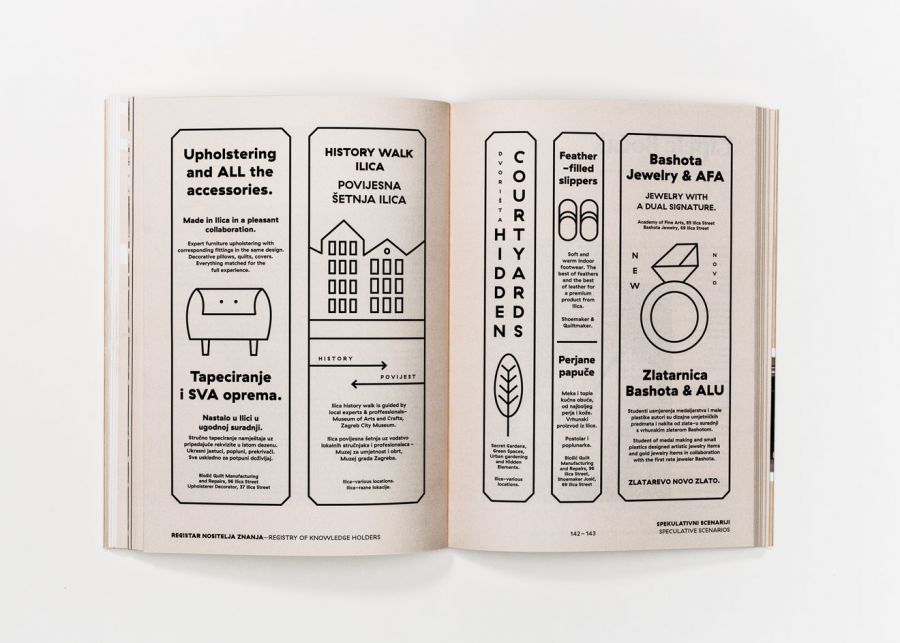
The Ilica Project — Nina Bacun, Maja Kolar, Ivana Borovnjak, Masa Poljanec, Roberta Bratovic, Tina Ivezic
2017︎ go to website
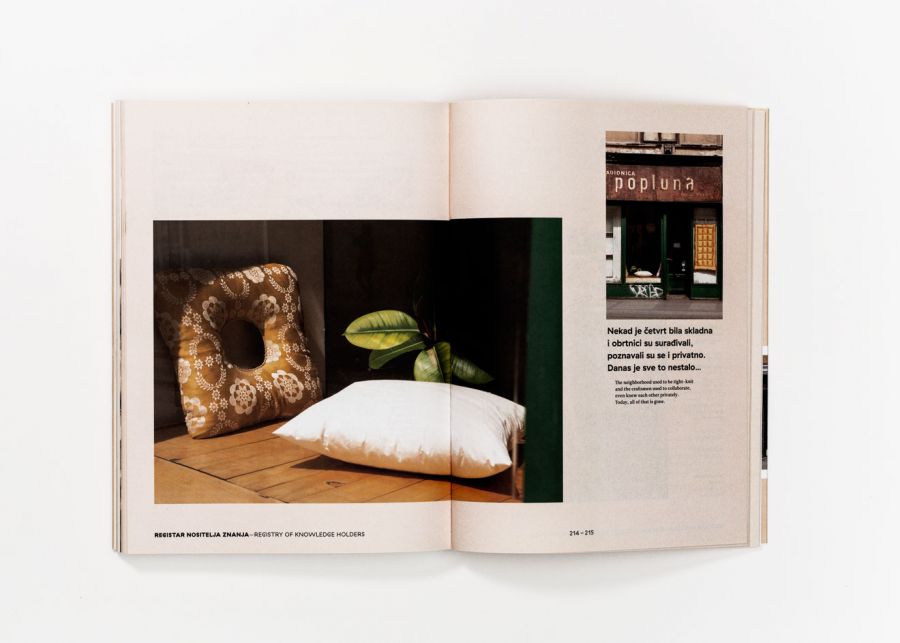
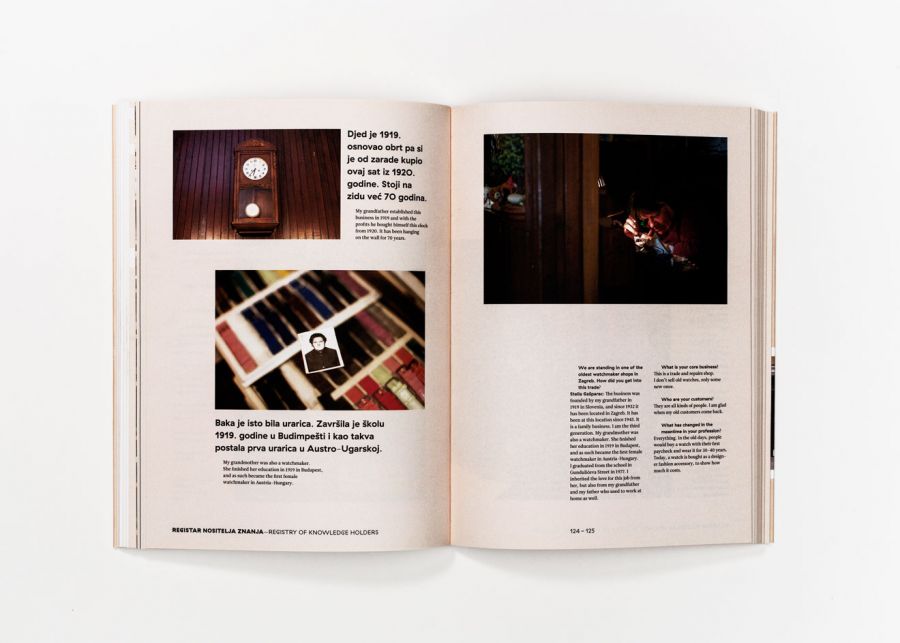
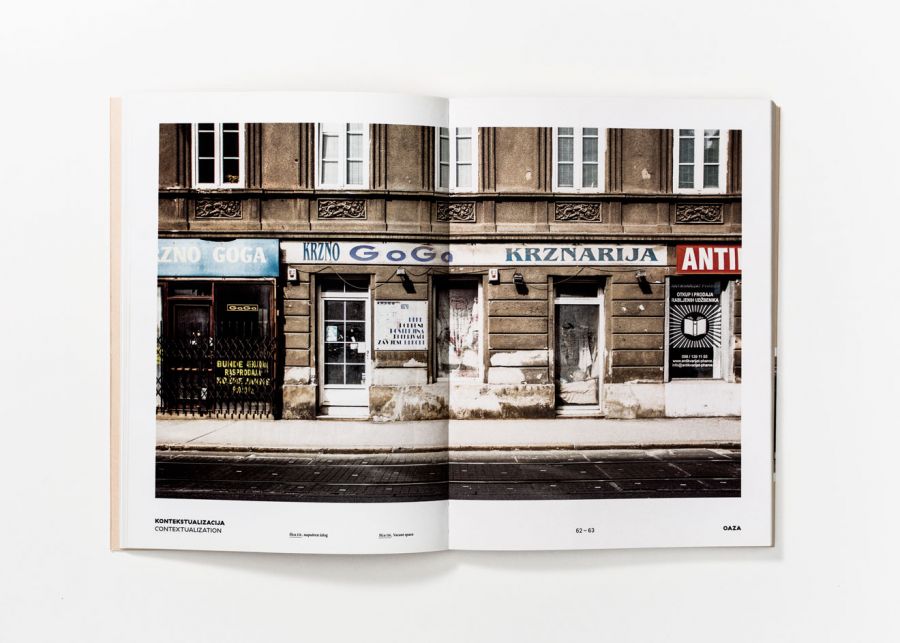
The printed edition of the Ilica Project published by Oaza art organization functions as a sort of design research project. The project was launched in 2014 to open a new space for reflection, promotion and advocacy of design practice in a very specific area of social design that has only started developing in Croatia.
This publication presents an overview of all activities done so far in the framework of the project and seeks to answer the question of how to use design tools to affect self-sustainability of the local community and consequently establish the continuity of local identity and creation of new values?
Paperback
Publisher: Oaza Contributors: Bojan Mrđenović, Neven Petrović, Borko Vukosav, Marina Paulenka (fotografija ∕ photography), Maja Arčabić, Boris Bakal, Jan Boelen, Aljoša Dekleva & Tina Gregorič, Marko Golub, Bojan Mucko, Oaza (essays), Igor Dvoršćak, Domagoj Živčić, Zlatko Budiselić, Goran Žugić, Zvonimir Balcer, Đuro Bashota, Niko Kuharić, Stella Gašparac, Mateja & Thomislav Cerovečki, Damir Marković, Stjepan Pavlović, Renato Bočak, Zvonimir Strašek, Nino Radulović, Dubravko Lacković, Sven Rakitničan, Vinko Zvošec, Nikola Andrijević, Džan Bashota, Marica Ivičević−Barišić, Stipan Josić, Gjon Gjoni, Enver i Ali Gadaf, David Lušičić, Alenka Antolić−Soban, Damir Mehkek, Ivan Prgomet (artisans, knowledge holders)



Designing Everyday Life— Jan Boelen, Vera Sachetti
2015
BIO 50 breaks with the traditional system of awards, choosing instead to award collaboration, its process and outcomes. Recognizing the idea that design is a discipline that permeates all layers of contemporary life, BIO launches an unprecedented effort to engage designers and agents from Slovenia and abroad in a collaborative approach that will address themes that affect everyday life. Guided by a group of mentors from various disciplines, eleven teams have tackled the topics
– Affordable Living
– Knowing Food
– Public Water, Public Space
– Walking the City
– Hidden Crafts
– The Fashion System
– Hacking Households
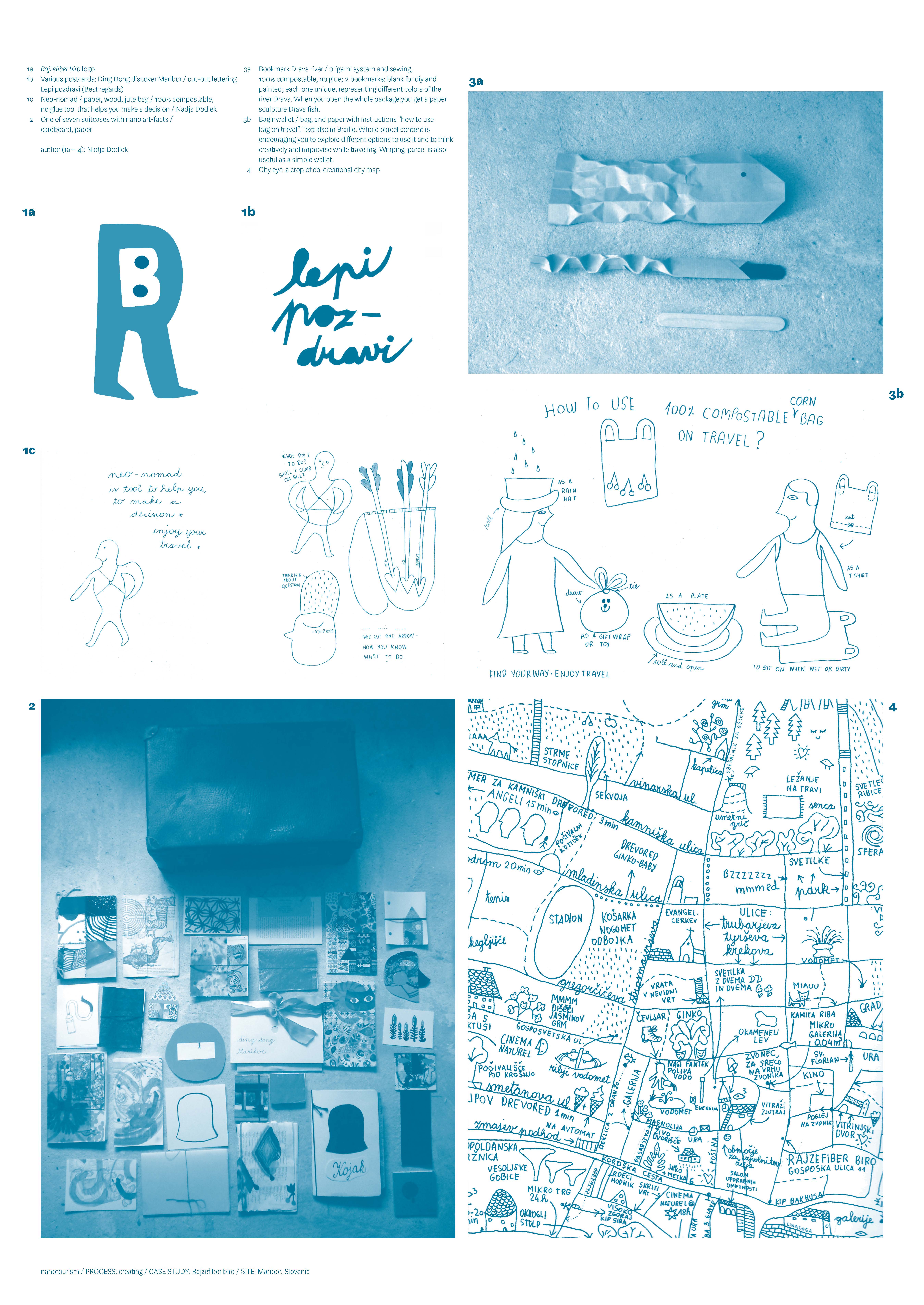
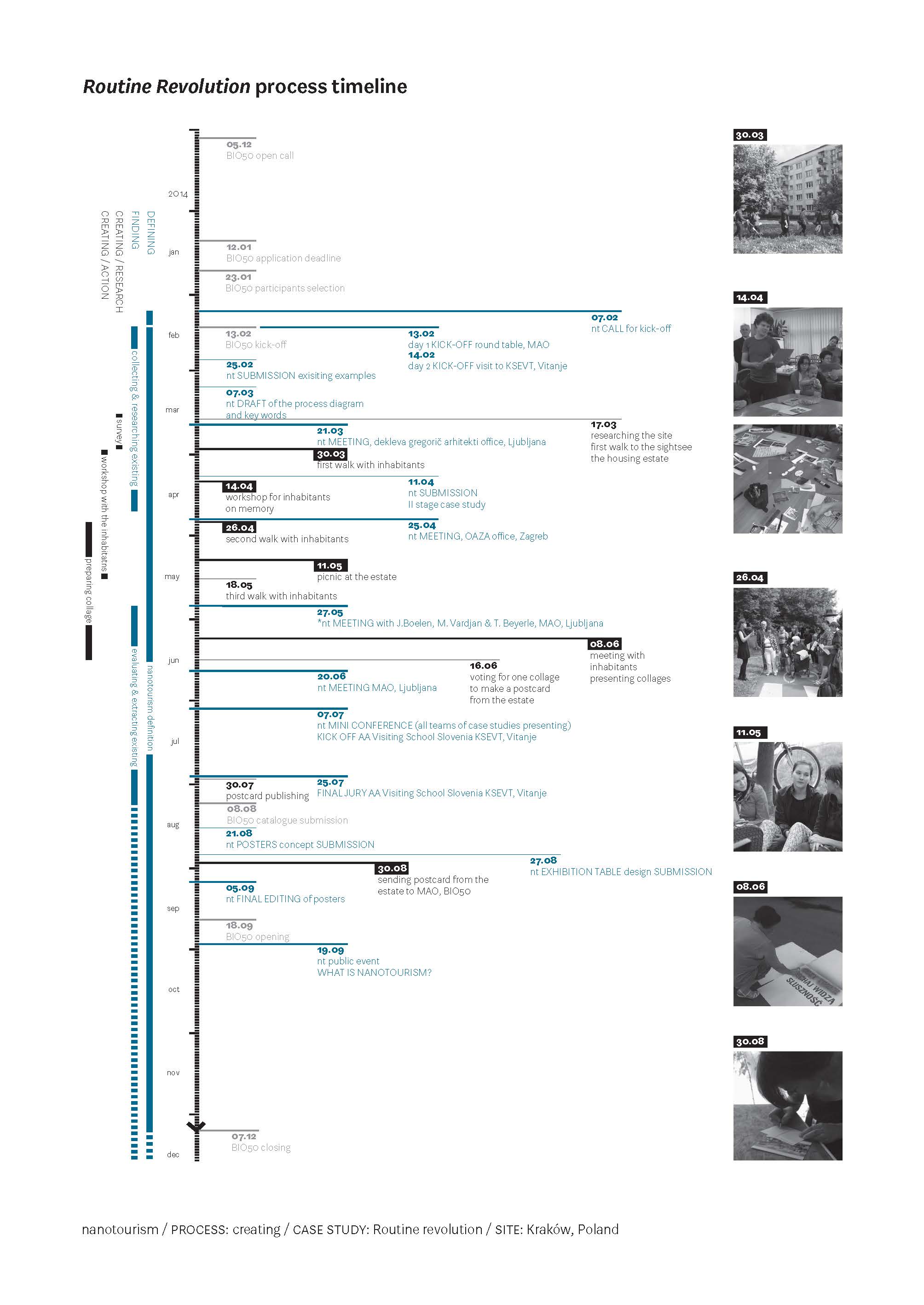
– Nanotourism
– Engine Blocks
– Observing Space
– Designing Life
Each team has created specific projects that are developed and implemented during the Biennial.
Drawing from the complex network generated around BIO 50, Designing Everyday Life serves as a reader, compiling written and visual material on the many layers that compose the biennial. Notes, essays, and interviews, along with sketches, photographs, and diagrams, are aggregating the manifold dimensions of each team's collaborative work process, and illuminate strategies and roles for design in a contemporary world.
An opening section introduces the topics discussed throughout the different components of the publication, arguing new priorities for the design discipline in contemporary times. Essays and visual material come together to articulate new roles for a discipline that has changed beyond the universe of mass-made products and solutions, and instead inhabits a fundamentally new universe in a series of small-scale, customized scenarios. Exploring the changing definition of design will illuminate its possible future.
The concluding chapter reflects on the history and legacy of the world's oldest design event. It uses the history of BIO as an opportunity to explore changes in the last fifty years within the design discipline, western society and everyday life. With contributions by Slovenian and international experts, a series of reflections on BIO as a meeting point for design between East and West in Central Europe allow to extrapolate conclusions about European design in the immediate future.
Designing Everyday Life also features interviews with Alice Rawsthorn, design critic at New York Times, Konstantin Grcic, industrial designer, and Sasa Machtig, industrial designer.
Hardcover (544 pages)
Publisher: Park Books
ISBN: 978-3906027678
Town as Dispersed Hotel – Bale in Istria — Institut für Gebäudelehre und Entwerfen
2017︎ see on issuu
Paperback
Sonderzahl Verlag
2017
ISBN: 0140045570
4.5 x 7.25 inches

nanotourism.org 2020 ––––– impressum